
Most wigs need washing roughly every several wears, depending on use frequency, which typically corresponds to an interval of a few weeks. That range holds for both synthetic and human-hair styles, though the exact schedule shifts based on your lifestyle, the products you use, and your environment.
Quick reference rules:
- Synthetic wigs: washed regularly after a moderate number of wears, or at least once a month if worn daily
- Human-hair wigs: typically washed after several wears, or every several weeks for moderate use
- Wash sooner if you notice odor, visible buildup, matting, or loss of shape
- Wash sooner after heavy sweating, smoke exposure, or high product use
The key difference between wig types: human-hair wigs tolerate regular conditioning and gentle heat styling after washing, while synthetic fibers need cooler water and wig-specific products to hold their style.
Pro Tip: Set a simple wear-count tracker on your phone. Mark each wear, and wash at wear 7 or 8 unless you notice a sign sooner. This prevents both under-washing and the over-washing that shortens cap life.
Key Takeaways
Washing every 6–10 wears, guided by observable signs rather than a fixed calendar, is the most reliable way to keep a wig clean without shortening its life.
| Point | Details |
|---|---|
| Core frequency range | Wash synthetic wigs every 6–8 wears; human-hair wigs every 7–10 wears or every 6–8 weeks. |
| Signs to wash sooner | Odor, visible buildup, excess tangling, or oil transfer at the cap mean wash now, regardless of wear count. |
| Biggest don'ts | Never soak in a basin, brush when wet, or use regular shampoo on synthetic fibers. |
| Between-wash habit | Store on a wig stand, use a cap liner, and spot-clean the hairline after each wear. |
| Extend lifespan | Rotating between two wigs and minimizing styling product use reduces wash frequency and extends overall wig life. |
Table of Contents
- How to tell when your wig actually needs washing
- Recommended washing frequency by wig type and wear pattern
- Which products and tools you should use for washing
- How to wash a synthetic wig step by step
- How to wash a human-hair wig step by step
- How to dry and restyle a wig without shortening its life
- Daily and between-wash care that extends time between washes
- Common washing mistakes that shorten wig life
- Research-backed pro tips and myth corrections
- A practical rule of thumb worth remembering
- Sources
How to tell when your wig actually needs washing
Wear count is a useful baseline, but your wig will often tell you when it needs cleaning before you hit the number. Knowing what to look for saves you from unnecessary washes that wear down the cap and fibers over time.
Watch for these signs:
- Visible buildup: White or waxy residue along the part line or at the roots, especially after product use
- Excess tangling: Mid-lengths and ends that mat faster than usual, even after gentle brushing
- Loss of volume or shape: Flat, limp sections that no longer respond to light styling
- Unpleasant odor: A stale, musty, or smoky smell that a light refresh spray does not fix
- Oil transfer at the cap: A shiny or damp feeling along the hairline or nape from scalp contact
Situational triggers matter just as much as gradual buildup. A single intense workout, an evening in a smoky environment, or a day in high humidity can push a wig past the point where a between-wash refresh is enough. According to specialist retailer guidance, the four main factors that change wash timing are wear rate, activity level, environmental exposure, and styling product use.
Pro Tip: Run your fingers lightly through the mid-lengths. If they snag within the first two inches, buildup is likely present. Check the cap edge at the nape for a faint odor — that spot traps heat and oils first.
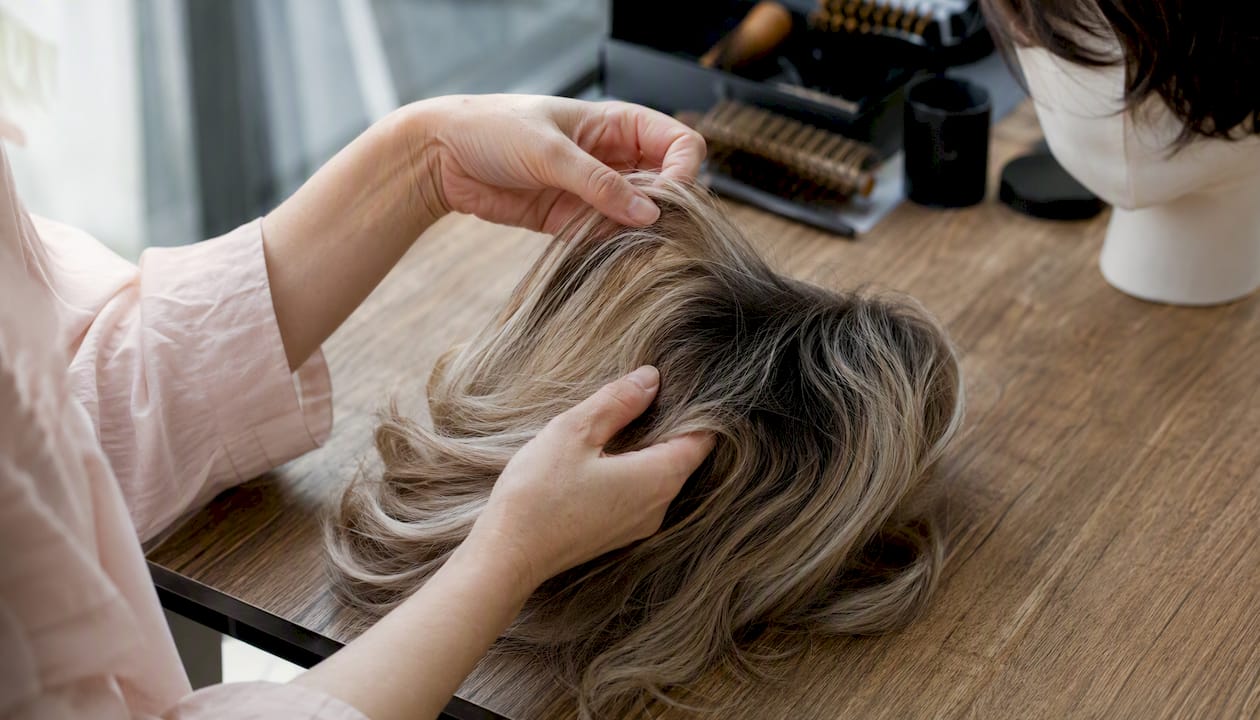
Recommended washing frequency by wig type and wear pattern
The consensus across major wig brands and care specialists is consistent. Jon Renau recommends washing every 6–8 wears depending on lifestyle, and warns that washing after every single wear is unnecessary and can damage both the cap and the fibers. Wigs human-hair wigs are typically washed every 7–10 wears or every 6–8 weeks, with more frequent washing for daily wearers or those in hot climates.
| Wig Type | Typical Wear-Count Range | Time-Based Range | Adjust Sooner If... |
|---|---|---|---|
| Synthetic | Every moderate number of wears | About monthly if worn daily | Heavy product use, sweat, smoke |
| Human hair | Every several wears | Every several weeks | Hot climate, daily wear, heat styling |
Cleveland Clinic guidance adds that styling product use is one of the strongest drivers of wash frequency. The more hairspray, gel, or shaping cream you apply, the faster buildup accumulates and the sooner a wash is needed.
Lifestyle factors that shorten the interval:
- Wearing the wig during exercise or in hot, humid weather
- Living or working in environments with smoke, dust, or heavy pollution
- Using multiple styling products per wear
- Wearing the wig for 8 or more hours daily
Conversely, light wear (a few hours, indoors, no product) can safely extend the interval toward the longer end of the range.
Which products and tools you should use for washing
Using the wrong products is one of the fastest ways to shorten a wig's life. The fiber type determines everything here.
For synthetic wigs:
- Wig-specific shampoo formulated for synthetic fibers (not regular shampoo, which strips the coating that gives synthetic hair its sheen)
- Silicone-free leave-in conditioner or a wig-specific detangling spray
- Wide-tooth wig comb or a wig brush with flexible bristles
- Microfiber towel for blotting (never rubbing)
- Wig stand for washing and drying
For human-hair wigs:
- Gentle, sulfate-free shampoo (the same kind used on color-treated natural hair works well)
- A moisturizing conditioner applied mid-length to ends only
- Heat protectant spray if blow-drying or heat styling after washing
- Wide-tooth comb for detangling before and after washing
Pro Tip: Avoid applying conditioner to the wig's roots or cap area. Conditioner near the knots can loosen them over time, leading to shedding. Keep it to the mid-lengths and ends.
What to avoid regardless of wig type:
- Regular drugstore shampoos with sulfates or heavy detergents
- Hot water (use cool to lukewarm only)
- Rubbing or wringing the cap
- Brushing while fibers are wet
- Dry shampoos not formulated for wigs (the propellants can leave residue that is difficult to remove)
Styling products directly affect your wig washing schedule. If you use hold products on every wear, plan to wash closer to the 6-wear mark rather than the 8-wear end of the range.
How to wash a synthetic wig step by step
Synthetic fibers are more fragile than human hair and do not recover from heat or rough handling the way natural hair does. The goal is a gentle, directional clean that removes buildup without stressing the cap or fiber coating.
Before you start: Place the wig on a wig stand and use a wide-tooth comb to gently detangle from ends to roots. Check the hairline and part for visible product buildup.
- Set water temperature. Use cool or lukewarm water only. Hot water distorts synthetic fibers permanently.
- Wet the wig directionally. Hold the wig under a gentle stream of running water, moving from roots to ends. Avoid submerging it in a basin. Jon Renau's guidance specifically recommends a directional rinse rather than soaking, because prolonged submersion loosens the knots and accelerates shedding.
- Apply wig shampoo. Use a small amount, work it gently through the fibers with your fingers in a downward motion. Do not scrub or circular-rub.
- Rinse thoroughly. Run cool water through the wig until the water runs completely clear.
- Condition if appropriate. Some synthetic wigs benefit from a light wig-specific conditioner on the mid-lengths. Avoid the roots and cap.
- Blot dry. Gently press the wig between a microfiber towel. Never wring or twist.
- Place on a wig stand. Let the wig air-dry completely before styling or storing. Keep it away from direct sunlight and heat sources.
Key don'ts for synthetic washing:
- No soaking in a basin
- No brushing while wet (wait until fully dry)
- No blow-dryer unless the wig is labeled heat-friendly
- No hot styling tools unless the fiber is specifically rated for heat
For more on safe styling after washing, the synthetic wig styling guide covers heat-safe methods and product use in detail.
Pro Tip: After air-drying, restore the style with a gentle shake and your fingers rather than a brush. Most synthetic styles snap back to their original shape without any tool contact.
How to wash a human-hair wig step by step
Human-hair wigs tolerate more than synthetics, but they still need careful handling to preserve the cap construction and prevent unnecessary shedding. SimplyWigs recommends washing every six to eight wears to keep the wig fresh without over-washing.
Pre-wash prep: Detangle the wig gently from ends to roots using a wide-tooth comb. Secure any adjustable straps and remove clips or accessories.
- Wet the wig. Use cool to lukewarm water in a directional flow from roots to ends. Avoid soaking in a basin for the same reason as synthetics: prolonged submersion loosens knots.
- Apply shampoo. Use a small amount of sulfate-free shampoo. Work it through the hair with gentle downward strokes, focusing on the cap and roots where oil and product accumulate.
- Rinse. Rinse thoroughly under running water until no shampoo remains.
- Apply conditioner. Work a moisturizing conditioner from mid-length to ends only. Leave it on for 2–3 minutes.
- Rinse conditioner completely. Residue left in the hair causes buildup and dulling.
- Blot dry. Press gently with a microfiber towel. Do not rub.
- Reshape on a wig stand. Gently finger-comb the hair back into its style and allow it to air-dry on a stand.
After washing:
- Air-dry fully before using any heat tools
- If blow-drying, use the lowest heat setting and keep the dryer moving
- Apply a heat protectant spray before any heat styling
- Avoid brushing until the hair is at least 80% dry
How to dry and restyle a wig without shortening its life
Drying is where most wig damage happens. The safest approach for both wig types is air-drying on a wig stand, which preserves the cap shape and lets the fibers settle naturally.
Drying guidelines:
- Air-dry on a stand away from direct sunlight, which fades color and dries out fibers
- Do not use a towel turban — wrapping the wig tightly distorts the cap and causes frizz
- For human-hair wigs, a low-heat blow-dryer is acceptable once the wig is about 70% dry; always use a heat protectant
- For synthetic wigs, use heat only if the fiber is explicitly labeled heat-friendly; otherwise air-dry only
Restyling after drying:
- Synthetic curls and waves often return on their own after air-drying. A gentle shake and light finger separation is usually all that is needed. If the style needs refreshing, a cool-setting steam method can reset waves without heat damage.
- Human-hair wigs can be restyled with the same tools used on natural hair, at low to medium heat settings.
Pro Tip: Store the wig on its stand while it dries rather than setting it aside on a flat surface. A flat surface compresses the cap and flattens the style before it has set.
Light product use after drying is fine. A small amount of wig-safe serum on the ends adds shine and reduces frizz. Avoid applying product to the roots or cap area.
Daily and between-wash care that extends time between washes
Good between-wash habits are what separate a wig that lasts one year from one that lasts three. The goal is to reduce buildup, prevent tangling, and keep the style looking fresh without adding unnecessary wash cycles.
Daily maintenance steps:
- Brush gently before and after each wear using a wide-tooth wig comb or flexible-bristle wig brush, working from ends to roots
- Use a light leave-in spray formulated for wigs to keep fibers hydrated and reduce static
- Store on a wig stand when not in use; a stand maintains the cap shape and prevents matting
- Wear a wig cap liner to reduce direct scalp oil and sweat transfer to the cap
Quick refresh options between washes:
- A wig-specific dry shampoo applied at the roots absorbs oil and restores volume without water
- Spot-clean the hairline and nape with a damp cloth and a tiny amount of wig shampoo to remove makeup or oil transfer
- A light steam refresh (for heat-friendly synthetic or human-hair wigs) can reset the style and reduce odor
Rotating between two wigs is one of the most effective ways to extend each wig's life. SimplyWigs notes that rotation is standard advice from professional stylists because it reduces how often each wig needs washing and gives fibers time to recover between wears.
Pro Tip: Clean your wig cap liner after every 2–3 wears. A dirty liner transfers oils and bacteria back to a freshly washed wig, cutting your clean interval in half.
Common washing mistakes that shorten wig life
Most wig damage is preventable. These are the mistakes that appear most often, along with what actually happens to the wig when they occur.
- Washing after every wear. Jon Renau's care guidance is direct on this point: washing too frequently damages the cap and fibers. The cap stitching weakens, knots loosen, and fibers lose their coating faster than normal wear would cause.
- Soaking in a basin. Prolonged submersion loosens the knots at the cap, which leads to accelerated shedding. A directional rinse under running water is safer for both wig types.
- Brushing aggressively when wet. Wet fibers, whether synthetic or human hair, are at their most fragile. Brushing while wet causes breakage, stretches the cap, and pulls out knots.
- Using regular shampoo on synthetic wigs. Standard shampoos contain sulfates and detergents that strip the coating from synthetic fibers, causing dulling, frizz, and a shortened lifespan.
- Applying heat to non-heat-friendly synthetic wigs. A single pass with a flat iron on the wrong fiber type causes permanent, irreversible damage. Always check the fiber rating before applying any heat.
- Skipping the wig stand during drying. Drying flat or in a bag compresses the cap and sets the style in the wrong shape.
If a wig has already been damaged by over-washing or harsh products, a professional wig technician can sometimes restore it with a deep conditioning treatment. Severe cap stretching or significant shedding, however, usually signals that replacement is the more practical option.
Research-backed pro tips and myth corrections
Myth: Soaking cleans better than rinsing. Soaking a wig in a basin feels thorough, but it works against the cap construction. The knots that anchor each strand are tied through the cap material, and prolonged water exposure weakens those ties. Professional wig technicians prefer the directional shower method: hold the wig under a gentle stream of running water, moving from roots to ends, and let the water carry product residue out rather than loosening it by agitation.
Myth: You should wash on a fixed weekly schedule. A calendar schedule ignores the actual condition of the wig. A wig worn twice a week with no product use may go eight weeks without needing a wash. The same wig worn daily with styling products may need washing every two weeks. The wear-count plus observable signs approach is more reliable than any fixed date.
Pro Tip: Spot-clean the hairline after every wear. The front edge of the wig picks up makeup, sunscreen, and facial oils faster than any other area. A quick wipe with a damp cloth takes 30 seconds and meaningfully extends the time before a full wash is needed.
Additional pro tips:
- Use the minimum effective amount of styling product. Every extra gram of product shortens the interval before the next wash.
- Store wigs away from sunlight and humidity. Both degrade fibers between wears, independent of washing.
- Check the manufacturer's care label before washing anything. Some specialty fibers and cap constructions have specific instructions that override general guidance.
A practical rule of thumb worth remembering
The wear-count method works because it ties washing to actual use rather than an arbitrary date. Count your wears, watch for the five observable signs (odor, buildup, tangling, shape loss, oil transfer), and wash whichever comes first. For most people, that lands somewhere between wear 6 and wear 10, with lifestyle and product use pulling the number in either direction.
Balancing wig lifespan with appearance and hygiene comes down to one principle: wash when the wig needs it, not before. Over-washing is just as damaging as under-washing, and the signs-based approach keeps you on the right side of that line.
*— Tran
Sources
The following sources informed the guidance in this article:
- Debunking 13 Wig Care Myths
- How to Care For Your Wig
- How often should I wash my wig?
- How Do You Wash a Human Hair Wig?
- When Should I Wash my Wig